


The Department of Zoology at Government College Women University, Sialkot, stands as one of the most dynamic and academically vibrant departments within the institution. We are dedicated to exploring the fascinating world of animals, from the intricate details of their biology to their complex interactions with ecosystems. The department is a hub for discovery, education, and innovation, where we strive to advance our understanding of animal life and its significance for our planet.The Department offers a comprehensive range of academic programs, including undergraduate (BS) and graduate degrees (MS and Ph.D.), designed to equip students with in-depth knowledge and research skills in the field of Zoology.

Chairperson Zoology Department
It is a privilege to welcome you to the Department of Zoology, one of the prominent disciplines flourishing under the umbrella of the Faculty of Natural Sciences. The department is committed to academic excellence and is structured to emphasize both research and teaching across a wide range of Biological Sciences. The department offers undergraduate (BS) and graduate degrees (MS and Ph.D.) having rich curriculum supported by well-equipped laboratories and opportunities for the learning, ensuring that students gain hands-on experience alongside theoretical knowledge. We aim to provide our students with a strong academic foundation, practical skills, and critical thinking abilities required to address contemporary challenges in the life sciences. Our faculty members are highly qualified and deeply committed to academic and scientific advancement. Currently, the department is actively engaged in cutting-edge research in several key areas including Parasitology, Ecology, Entomology, Molecular Biology, Fisheries and Physiology. Our faculty and students contribute significantly to the scientific research, with research articles regularly published in esteemed national and international journals.We are dedicated to producing graduates who not only excel in their respective fields but also contribute meaningfully to societal and socio-economic development.
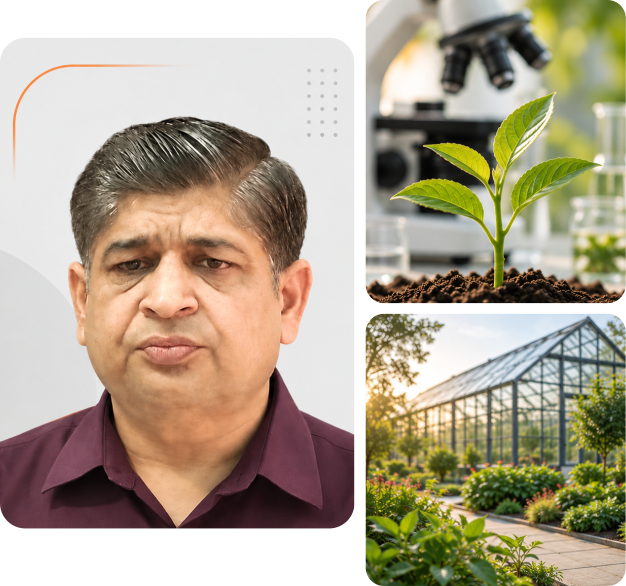
Dr. Asma Waheed Qureshi
Chairperson
Chairperson.zoology@gcwus.edu.pk


Program/s Details
| Program Level | Program Title | Eligibility Criteria |
| BS Level (Undergraduate) |
|
Intermediate / F.Sc Pre-Med or equivalent with min 50% marks. |
| MS / M.Phil. Level (Graduate) | MS in Zoology | 16-year education in relevant field with min CGPA 2.5/4.0 or 60%. |
| Ph.D. Level (Postgraduate) | Ph.D. in Zoology | 18-year education, MS degree with thesis, min CGPA 3.0/4.0 & GAT/GRE. |
| 01 | BS Program (/per semester) | Rs. 0.00 PKR |
| 02 | MS Program (/per semester) | Rs. 0.00 PKR |
| 03 | Ph.D. Program (/per semester) | Rs. 0.00 PKR |
The Department of Zoology at Government College Women University, Sialkot, stands as one of the most dynamic and academically vibrant departments within the institution. We are dedicated to exploring the fascinating world of animals, from the intricate details of their biology to their complex interactions with ecosystems. The department is a hub for discovery, education, and innovation, where we strive to advance our understanding of animal life and its significance for our planet.
The Department of Zoology envisions becoming a leading center for quality education, innovative research, and scientific advancement in the biological sciences. Building on its existing BS, MS, and Ph.D. programs, the Department aims to strengthen academic excellence, promote interdisciplinary research, and equip students with the knowledge and practical skills required to address emerging scientific, environmental, and societal challenges. The Department plans to enhance its existing academic programs by incorporating emerging areas of Zoology and modern scientific techniques into teaching and research. Potential areas for specialized coursework and future degree tracks include Parasitology, Molecular Biology and Biotechnology, Wildlife Conservation and Biodiversity, Environmental Toxicology, Fisheries and Aquaculture, and Reproductive and Developmental Biology. Curriculum development will emphasize practical training, research-based learning, and alignment with evolving academic and professional requirements.
The Department aims to expand its research portfolio through collaborative and multidisciplinary projects addressing environmental pollution, biodiversity conservation, climate change, aquatic ecosystems, animal physiology, reproductive health, genetics, and molecular biology. Greater emphasis will be placed on advanced laboratory techniques, molecular diagnostics, bioinformatics, and the use of modern analytical approaches in biological research. The Department will also encourage faculty and students to pursue competitive research grants, publish in reputable journals, participate in scientific conferences, and develop innovative, evidence-based solutions to contemporary biological challenges.
Strengthening partnerships with industries, research organizations, diagnostic laboratories, fisheries and aquaculture enterprises, environmental agencies and wildlife conservation organizations will be a key strategic priority. These collaborations will facilitate student internships, joint research projects, technical training, and opportunities for applied research. Engagement with relevant public and private sector organizations will also help bridge the gap between academic learning and professional practice.
Graduates of the Department will be prepared for diverse career opportunities in academia, scientific research, environmental consultancy, wildlife and biodiversity conservation, fisheries and aquaculture, public health, molecular diagnostics, biotechnology, environmental monitoring, and relevant government and private sector organizations. The Department will promote career readiness through practical skill development, internships, research placements, scientific communication, and guidance for competitive examinations and higher studies. Students will also be encouraged to pursue national and international scholarships, doctoral research, and postdoctoral opportunities.
Through continuous curriculum improvement, research innovation, infrastructure development, industry engagement, and national and international collaboration, the Department of Zoology aims to develop highly skilled graduates, strengthen its research capacity, and contribute meaningfully to scientific progress, environmental sustainability, and socioeconomic development. Its long-term goal is to establish a dynamic academic and research environment that prepares students for emerging professional opportunities while advancing knowledge across the diverse fields of Zoology.
STRATEGIC GROWTH STATEMENT (DEPARTMENTAL LEVEL):
The Department of Zoology, GCWUS, envisions a comprehensive five-year strategic growth plan (2026–2031) focused on academic excellence, research innovation, faculty development, international collaboration, and graduate employability. Building on its BS, MS, and Ph.D. programs and multidisciplinary strengths in Parasitology, Ecology, Fisheries, Physiology, Entomology, Molecular Biology, and Animal Diversity, the Department aims to establish a dynamic research and learning environment aligned with national higher education priorities and emerging global trends in life sciences.
- Specialized Research Laboratories: The Department plans to progressively develop specialized research facilities in Molecular Biology, Ecotoxicology, Reproductive Physiology and Histopathology, and Aquatic Biology and Environmental Monitoring. Priority will be given to modernizing existing laboratories, acquiring essential scientific equipment, improving access to advanced analytical facilities through institutional and external collaborations, and ensuring compliance with biosafety, research ethics, and animal-welfare standards.
- Faculty Development Programs: Faculty members will be encouraged to participate in national and international training programs, postdoctoral fellowships, and professional development and capacity building activities. Emphasis will be placed on advanced molecular techniques, scientific writing, research grant development, and interdisciplinary project management. The Department will promote collaborative research teams, student mentorship, competitive grant applications, and high-quality publications to enhance research productivity and academic visibility.
- National and International Academic Collaboration: The Department aims to establish and strengthen partnerships with national research institutes, universities, and international academic institutions. Proposed activities include joint research projects, collaborative publications, faculty and student exchange opportunities, international seminars, and joint funding applications. Particular attention will be given to collaborations in environmental toxicology, reproductive and developmental biology, biodiversity conservation, molecular biology, and aquatic sciences.
- Academic Quality Assurance and Accreditation: The Department will strengthen its academic quality, ensuring that curricula, teaching practices, research supervision, assessment procedures, and student support services meet applicable Higher Education Commission (HEC) standards and institutional requirements. It will pursue relevant program reviews, curriculum updates, and systematic graduate tracking mechanisms.
- Alignment with National and Global Scientific Trends: The Department will align its academic and research priorities with emerging developments in climate change, biodiversity conservation, molecular diagnostics, bioinformatics, and the One Health approach. Research will address relevant regional challenges, including industrial and aquatic pollution, ecosystem health, emerging environmental contaminants, and the biological effects of environmental stressors. Collaboration with relevant industries, government departments, diagnostic laboratories, and environmental organizations will be encouraged to promote applied research, internships, and career-oriented training.
Student Employability and Women's Scientific Empowerment: As part of a women's university, GCWUS will continue to promote female participation and leadership in scientific research and professional careers. The Department will enhance practical training, internship opportunities, entrepreneurship awareness, scientific communication, and career counselling. Graduates will be prepared for opportunities in academia, research organizations, environmental consultancy, wildlife and fisheries management, biotechnology, molecular laboratories, and relevant public- and private-sector organizations, subject to the qualifications and recruitment requirements of each position.
Implementation Roadmap (2026–2031): During the first year, the Department will prioritize a needs assessment, laboratory development planning, curriculum review, and identification of potential collaborators. In years two and three, it will focus on phased laboratory enhancement, faculty training, collaborative research proposals, and stronger quality assurance practices. In years four and five, it will aim to expand collaborative research outputs, strengthen external partnerships, evaluate graduate employability, and consolidate specialized research capacity. Progress will be monitored through measurable indicators, including faculty training activities, research grants submitted and secured, collaborative agreements, student internships, publications, laboratory development milestones, and documented academic quality reviews. Through this strategic roadmap, the Department of Zoology at GCWUS aims to strengthen its academic reputation, expand research capacity, enhance graduate employability, and contribute to scientific advancement.
FUTURE SCOPE & CAREER PROSPECTS (STUDENT LEVEL):
The Department of Zoology, GCWUS aims to prepare students for diverse professional opportunities by combining theoretical knowledge, practical laboratory training, research experience, and career-oriented skill development. Through its BS, MS, and Ph.D. programs, the Department provides academic pathways in Parasitology, Ecology, Fisheries, Physiology, Entomology, Molecular Biology, and Animal Diversity. Its student development strategy will focus on aligning academic learning with evolving employment opportunities, emerging scientific technologies and the needs of national and international research sectors.
- Career Opportunities and Employment Prospects: Graduates of Zoology can pursue careers in academia,
scientific research, environmental management, biodiversity
conservation, fisheries, biotechnology, and related biological sciences, subject to the qualifications and
recruitment
requirements of the positions.
Key career pathways include:
• Education and Academia: School and college teaching, university research, academic support, and postgraduate teaching careers.
• Research and Laboratory Sciences: Research assistant, laboratory technologist where eligible, research officer, and scientific project personnel in universities, research institutes, and biological laboratories.
• Environmental Sciences and Conservation: Environmental monitoring, biodiversity assessment, wildlife conservation, ecological research, and environmental consultancy.
• Fisheries and Aquatic Sciences: Fisheries research, aquaculture management, aquatic ecosystem monitoring, and fish health assessment.
• Molecular Biology: Molecular biology research, genetic analysis and biological sample processing.
• Parasitology and Entomology: Research on parasites, insect diversity, agricultural pests, disease vectors, and agricultural projects.
• Science Communication and Entrepreneurship: Scientific writing, environmental education, biological research services, science outreach, and environmentally focused business initiatives.
- Skill Development: To enhance graduate employability, the Department will promote practical skill
development that complement its
academic
curriculum. Students will be encouraged to develop skills in:
• Laboratory techniques, microscopy, histology, and biological sample processing.
• Research methodology, experimental design, scientific writing, and literature review.
• Statistical analysis, data visualization, and relevant software.
• Molecular biology techniques
• Field sampling, biodiversity surveys, ecological assessment, and environmental monitoring.
- Internships and Professional Exposure: The Department will seek to develop internship and
practical-training opportunities through partnerships with
universities, research institutes, diagnostic and research laboratories, and relevant industries.
Planned activities include:
• Summer internships and research placements for eligible students.
• Field visits to wildlife facilities, fisheries units, and relevant industrial organizations.
• Short-term training in laboratory methods, and research data analysis.
• Opportunities for postgraduate students to participate in collaborative research projects.
- Industry Recognized Certifications: Students will be encouraged to pursue relevant short courses and certifications that strengthen their employability and complement their Zoology degrees. Potential areas include laboratory biosafety, research ethics, statistical software, bioinformatics, molecular techniques, GIS and remote sensing, and scientific writing. Where suitable, the Department will facilitate access to training offered by recognized universities and research institutions.
- Entrepreneurship and Incubation Support:The Department will encourage students to explore
entrepreneurship and innovation in areas related to biological
and
life sciences. In this regard, students may be supported in developing ideas such as:
• Biodiversity documentation services.
• Ecological surveys and environmental monitoring support.
• Sustainable aquaculture and fisheries-related initiatives.
• Biological science communication and educational resources.
• Data analysis and research-support services, where students possess appropriate skills.
• Nature conservation, waste-awareness, and sustainability projects.
- Higher Education and Research Pathways: The Department will provide academic guidance to students
interested in postgraduate education and research
careers in
Pakistan and abroad. BS graduates may pursue relevant MS/MPhil subject to admission requirements, while MS/MPhil
graduates may apply for Ph.D. programs. Ph.D. scholars may explore postdoctoral fellowships, collaborative
research, and
academic careers.
Students will receive guidance on research proposal development, scientific publication, scholarship applications, academic CV preparation, research presentations, and identifying suitable research supervisors. The Department will also encourage participation in undergraduate and postgraduate research projects, scientific conferences, poster presentations, and collaborative studies to strengthen students' academic profiles.
Proposed targets:• Establish active internship or practical training partnerships.
• Conduct at least five career development, professional skills, or employability activities over five years.
• Provide structured research methodology and scientific writing training to eligible postgraduate students.
• Establish a graduate tracking database and obtain employment or higher education information from at least 70% of reachable graduates.
• Facilitate student participation in research conferences, internships, workshops, and relevant professional training opportunities.
The Department will strengthen students' awareness of job-market requirements through career seminars, alumni engagement, and guidance on public sector recruitment criteria and private sector employment opportunities.
Practical workshops, student research projects, laboratory demonstrations, field visits, and invited lectures will help students connect academic concepts with real-world applications.
The students of senior semesters are already engaged to active internship in relevant organizations.
The Department of Zoology at GCWUS aims to produce scientifically competent, professionally skilled, and career oriented graduates who can contribute to research, education, environmental protection, biological sciences, and sustainable development. By integrating academic learning with practical training, internships, professional development, entrepreneurship, and higher education guidance, the Department will work toward improving graduate employability, promoting women's participation in scientific leadership, and preparing students for evolving opportunities in Pakistan and the international scientific community.
Contact Details
- Address: Department of Zoology, Main Block, Aimenabad Campus, Govt. College Women University Sialkot.
- Tel: 052-9250768 | Ext. 100
- Email: Chairperson.zoology@gcwus.edu.pk

Department Tour
Campus on a tour designed for prospective graduate and professional students. You will see how our university like, facilities, studenst and life in this university. Meet our graduate admissions representative to learn more about our graduate programs and decide what it the best for you.



News & Events
Activities
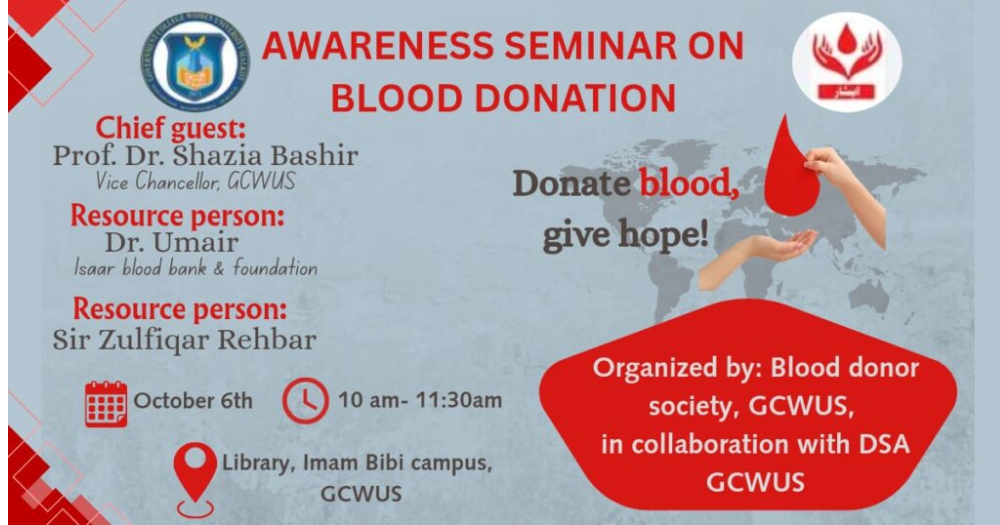
Blood Donation and Camp for Blood Sugar and Blood Group Detection
xyz.....

Making your site friendly
Seamlessly visualize quality ellectual capital without superior collaboration and idea tically

This guide is designed.
Seamlessly visualize quality ellectual capital without superior collaboration and idea tically